

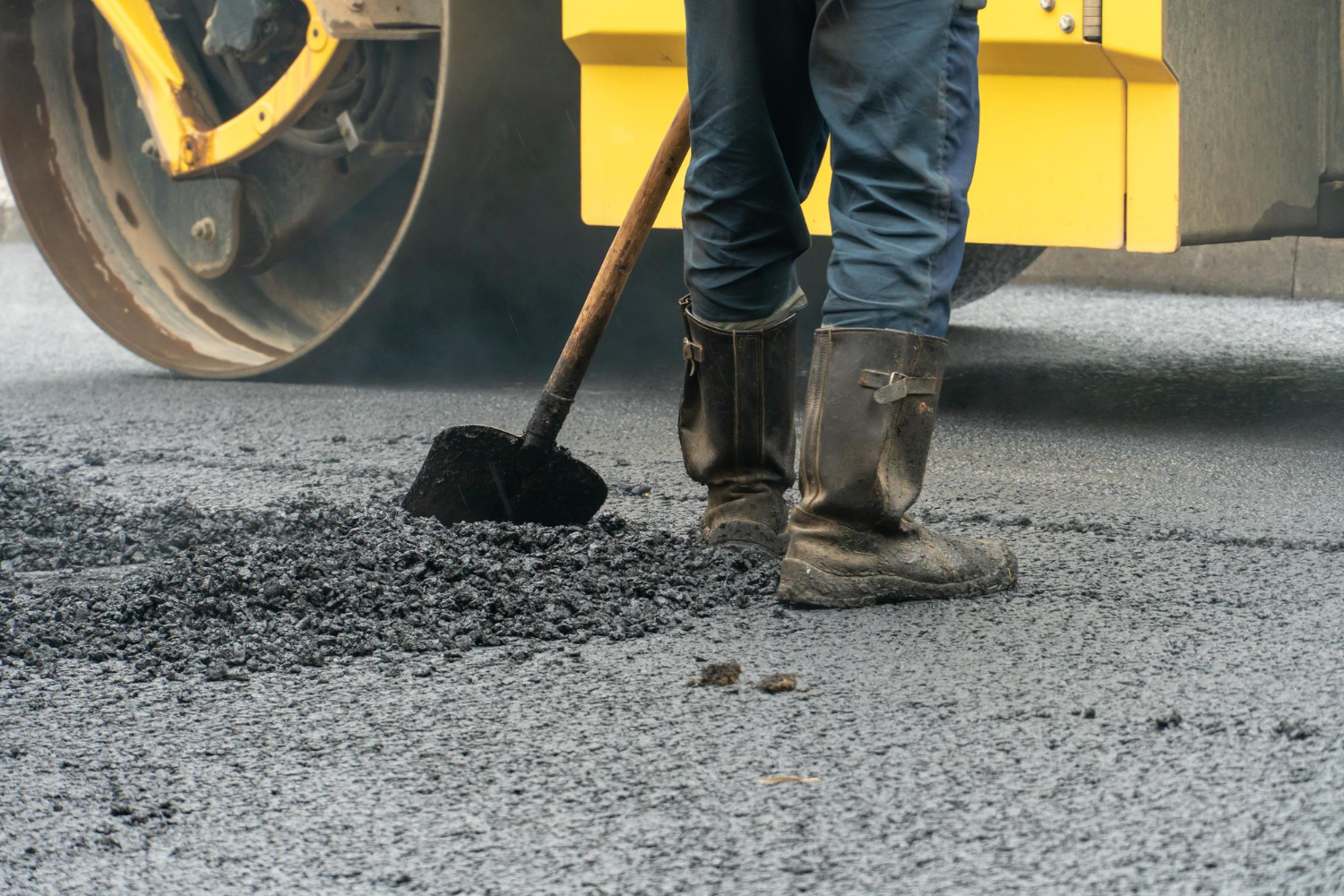
Timing plays a major role in the success and longevity of any asphalt project. Temperature, weather conditions, and moisture levels all impact how asphalt is installed and how well it performs over time. Choosing the right season helps ensure a smooth finish and long lasting results. Learn more about professional asphalt paving services.
Why Warm Weather Matters
Asphalt is best installed in warm conditions because it needs heat to remain workable during application. Ideal temperatures typically range from late spring through early fall. Warm weather allows the asphalt to be properly compacted and helps it cure evenly, creating a durable surface.
Cold temperatures can cause asphalt to cool too quickly, making it harder to achieve a strong, smooth finish.
Avoiding Rain and Moisture
Dry conditions are just as important as temperature. Rain can interfere with installation and weaken the bond between asphalt layers. Moisture trapped beneath the surface can lead to premature cracking or potholes.
Scheduling your project during a period of stable, dry weather helps ensure better results and fewer long term issues.
Fall Paving Benefits
Early fall is often considered one of the best times for asphalt paving. Temperatures are still warm enough for proper installation, but the extreme heat of summer has passed. This allows for more controlled working conditions and consistent curing.
Planning Ahead for Maintenance
Sealcoating, crack sealing, and repairs should also be scheduled during warmer months for best results. Regular maintenance helps protect your pavement and extend its lifespan. Explore more asphalt maintenance services.
Choosing the Right Time for Your Project
While late spring through early fall is ideal, working with experienced professionals ensures your project is scheduled at the right time. Proper timing leads to better performance, fewer repairs, and a longer lasting asphalt surface.