
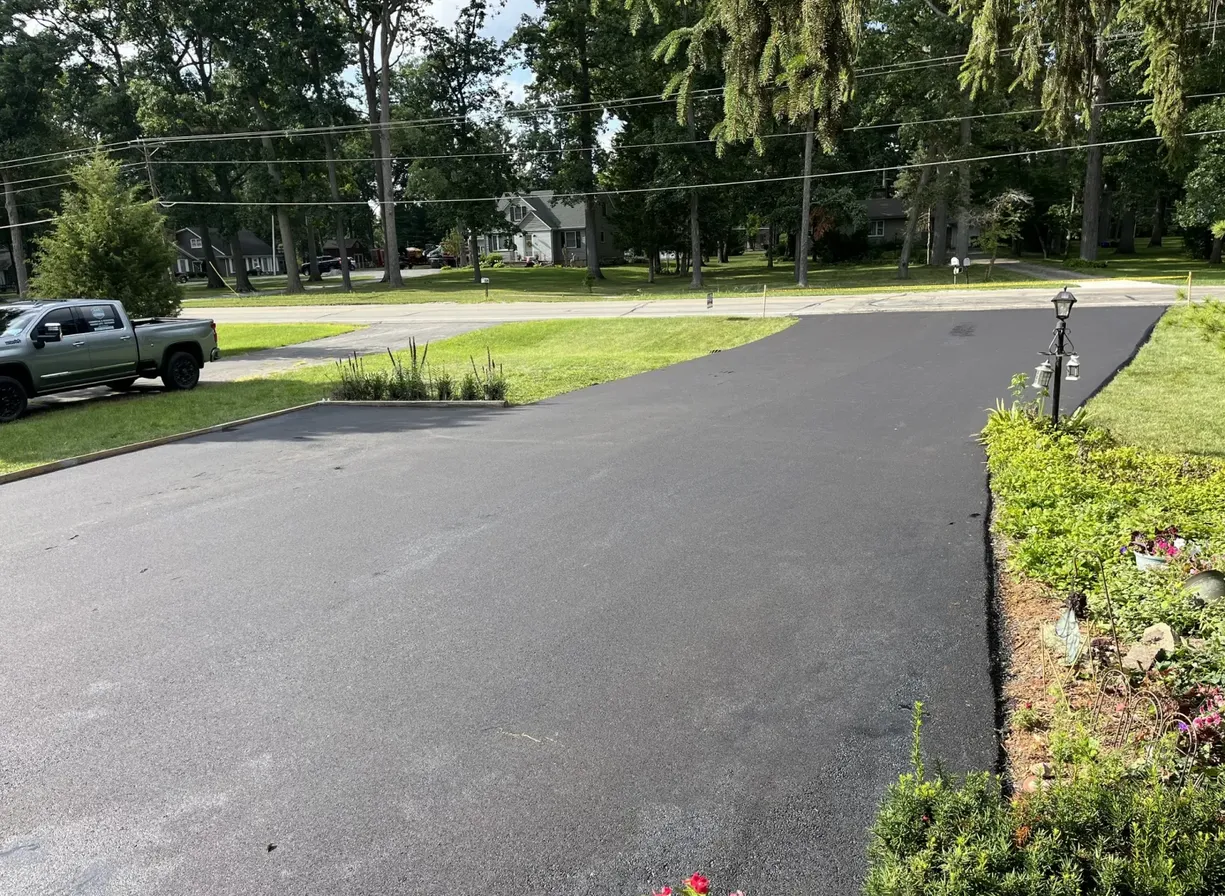
A successful paving project starts long before the first layer of asphalt is installed. Proper preparation ensures a smooth process, minimizes delays, and helps your new surface last for years. Whether you’re installing a new driveway or upgrading a commercial parking lot, taking a few proactive steps can make all the difference.
Step 1: Clear the Area Completely
Before paving begins, remove all vehicles, trailers, and equipment from the work zone. Clear outdoor furniture, basketball goals, and decorative items near the driveway or pavement edge. This allows the crew to work efficiently and safely.
If you’re planning a new installation, review your options here: Asphalt Paving Services
Step 2: Communicate About Drainage and Access
Proper drainage is critical for long-term pavement performance. Discuss any standing water issues, slope concerns, or nearby landscaping with your contractor ahead of time. Addressing drainage before paving prevents premature cracking and potholes.
For commercial properties, make arrangements for alternate parking and notify employees or customers about temporary access changes.
Step 3: Protect Landscaping and Utilities
Trim back overhanging branches and mark sprinkler heads, invisible fences, or underground utilities. While professional crews take precautions, clear visibility reduces the risk of accidental damage.
If you’re upgrading a residential surface, consider maintenance planning as well: Sealcoating Services
Step 4: Plan for Curing Time
After installation, asphalt needs time to cure properly. Avoid driving or parking on the surface for the recommended period. Heavy vehicles should stay off the new pavement longer to prevent indentations.
Your contractor will provide specific aftercare instructions to maximize durability.
Set Your Project Up for Success
Preparing your property for a paving project helps ensure efficient installation and long-lasting results. By clearing the site, discussing drainage, protecting surrounding areas, and planning for curing time, you create the conditions for a smooth and successful asphalt project.